
Embracing Heritage: Exploring the Charm of Traditional Dresses Around the World
- by divena_world
- March 21, 2024
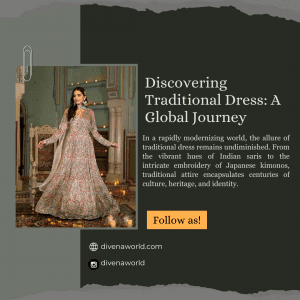
Join us on a journey as we delve into the captivating world of traditional dresses from diverse corners of the globe.
The Rich Tapestry of Cultural Diversity:
Traditional dresses serve as a visual representation of the rich tapestry of global cultures. Each garment is a reflection of unique customs, beliefs, and histories. Whether it's the elegance of the Chinese cheongsam or the regal splendor of African dashikis, traditional attire celebrates the diversity that makes our world so fascinating.
Preserving Heritage Through Fashion:
In an era of globalization, the significance of preserving cultural heritage cannot be overstated. Traditional dresses play a crucial role in this endeavor, serving as tangible links to the past. By donning these garments, individuals not only pay homage to their ancestors but also ensure that age-old traditions continue to thrive in the modern world.
Symbolism and Significance:
Behind every traditional dress lies a wealth of symbolism and significance. Colors, patterns, and fabrics are often imbued with deep cultural meanings, conveying messages about identity, status, and belonging. Whether it's the auspicious red of a Chinese wedding gown or the symbolic motifs adorning a Navajo dress, these garments are steeped in layers of meaning that transcend mere fashion.
Adaptation and Evolution:
While traditional dresses arsole te rooted in history, they are by no means static. Over time, these garments have evolved in response to changing social, political, and environmental factors. Today, we see traditional dress undergoing a revival, as designers reinterpret age-old styles for contemporary audiences. This fusion of old and new not only breathes new life into ancient traditions but also ensures their relevance in the modern world.
Celebrating Identity and Pride:
For many individuals, wearing traditional dress is a powerful expression of identity and pride. Whether it's donning a Scottish kilt for a special occasion or wearing a hijab as a symbol of religious faith, these garments serve as outward manifestations of inner beliefs and values. In a globalized society where cultural heritage is often at risk of being diluted or forgotten, embracing traditional dress becomes an act of resistance—an affirmation of one's roots in the face of homogenization.
Conclusion
In a world that seems to be constantly in flux, traditional dresses stand as timeless symbols of cultural resilience and pride. From the elaborate costumes of indigenous tribes to the elegant robes of royalty, these garments weave a colorful tapestry of human experience. As we celebrate the beauty and diversity of traditional dress, let us also recognize the importance of preserving and honoring the heritage it represents. After all, in embracing the past, we pave the way for a richer and more vibrant future.