
Understanding Technical Specifications To Find Reliable Spiral Wound Gasket
- by oswaldsupply
- March 5, 2024
Spiral wound gaskets play a crucial role in industrial applications, providing a reliable seal between flange surfaces in piping systems. To ensure optimal performance and prevent leaks, it's essential to understand the technical specifications of spiral wound gaskets. By familiarizing yourself with factors such as materials, dimensions, and performance characteristics, you can make informed decisions when selecting the right gasket for your specific needs. In this comprehensive guide, we will explore the key technical aspects of spiral wound gaskets, empowering you to find a reliable sealing solution for your industrial applications.
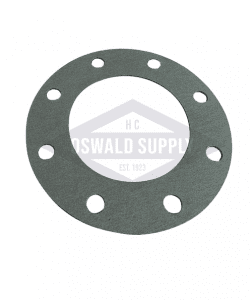
Materials Used in Spiral Wound Gaskets:
The materials used in spiral wound gaskets are critical determinants of their performance and suitability for different applications. Common materials include stainless steel, graphite, and various filler materials such as PTFE or non-asbestos. Each material offers unique properties such as chemical resistance, temperature tolerance, and compressibility, allowing for customization based on the application's requirements.
Dimensions and Sizes:
Spiral wound gaskets come in a variety of dimensions and sizes to accommodate different flange specifications and pressure ratings. It's essential to select the correct gasket size to ensure proper sealing and prevent leaks. Standard dimensions include inner diameter (ID), outer diameter (OD), and thickness, which should match the dimensions of the flange and the application's requirements.
Performance Characteristics:
When evaluating spiral wound gaskets, consider various performance characteristics that impact their effectiveness and reliability. These include compression resistance, temperature range, pressure rating, and chemical compatibility. A gasket's ability to withstand compressive forces and maintain a tight seal under varying conditions is crucial for preventing leaks and ensuring long-term performance.
Temperature and Pressure Ratings:
Spiral wound gaskets are designed to withstand a wide range of temperatures and pressures encountered in industrial applications. It's essential to select a gasket with temperature and pressure ratings that align with the operating conditions of your system. Overlooking these factors can lead to gasket failure, resulting in leaks and potential safety hazards.
Installation and Maintenance:
Proper installation and maintenance are essential for maximizing the effectiveness and longevity of spiral wound gaskets. During installation, ensure that the gasket is positioned correctly between the flange surfaces and that the bolts are tightened evenly to achieve uniform compression. Regular inspection and replacement of gaskets as needed can help prevent leaks and ensure the continued integrity of the sealing system.
Customization Options:
In some cases, standard spiral wound gaskets may not fully meet the requirements of a specific application. Fortunately, many manufacturers offer customization options, allowing for tailored gaskets to be fabricated based on unique specifications. Customization options may include different materials, dimensions, and configurations to address specific challenges and ensure optimal performance.
Quality Assurance and Certification:
When sourcing spiral wound gaskets, prioritize suppliers that adhere to stringent quality standards and certifications. Look for gaskets that meet industry specifications such as ASME B16.20 or API 601/ASME B16.47, indicating compliance with rigorous quality and performance requirements. Additionally, reputable manufacturers may offer product certifications and documentation to validate the gasket's quality and suitability for use in critical applications.
Cost Considerations:
While cost is an important factor to consider, it should not be the sole determinant when selecting spiral wound gaskets. Investing in high-quality gaskets from trusted suppliers may incur higher upfront costs but can yield significant long-term savings by minimizing downtime, preventing leaks, and ensuring the reliability of your sealing system.
Conclusion:
Understanding the technical specifications of spiral wound gaskets is essential for selecting reliable sealing solutions that meet the requirements of industrial applications. By considering factors such as materials, dimensions, performance characteristics, and certification, you can make informed decisions and ensure the integrity and effectiveness of your sealing systems. Whether you're sealing flanges in chemical processing, oil and gas, or other industries, choosing the right spiral wound gasket is crucial for maintaining safety, efficiency, and productivity in your operations.