
Understanding ICD-10-CM Diagnosis Code I25.1: Atherosclerotic Heart Disease
- by drcynthia
- April 24, 2024
In the realm of medical coding, precision and accuracy are paramount. The ICD-10-CM diagnosis code I25.1 holds significant importance as it pertains to atherosclerotic heart disease affecting the native coronary artery. Let's delve into this diagnosis code, unpacking its implications, causes, management, and FAQs surrounding it.
What is ICD-10-CM Diagnosis Code I25.1?
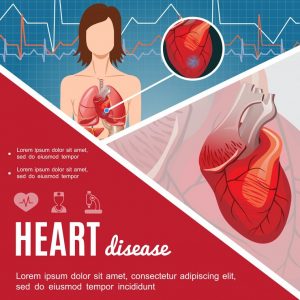
ICD-10-CM diagnosis code I25.1 specifically denotes atherosclerotic heart disease of the native coronary artery. This condition arises from the accumulation of plaque within the coronary arteries, leading to their narrowing and impeding blood flow to the heart muscle. Atherosclerotic heart disease is a prevalent form of heart disease and is often linked to various risk factors such as high cholesterol, hypertension, smoking, and a sedentary lifestyle.
Implications of ICD-10-CM Diagnosis Code I25.1
The diagnosis code I25.1 serves as a crucial tool in medical documentation and billing, facilitating accurate identification and classification of patients with atherosclerotic heart disease. Healthcare providers utilize this code to record diagnoses, track disease prevalence, and ensure proper reimbursement for services rendered.
Causes and Risk Factors
Several factors contribute to the development of atherosclerotic heart disease, including:
- High Cholesterol: Elevated levels of LDL cholesterol increase the risk of plaque buildup in the coronary arteries.
- Hypertension: High blood pressure puts added stress on the arterial walls, promoting the formation of atherosclerotic plaques.
- Smoking: Tobacco smoke contains harmful chemicals that damage blood vessels and accelerate the progression of atherosclerosis.
- Physical Inactivity: A sedentary lifestyle is associated with obesity, diabetes, and other risk factors for atherosclerotic heart disease.
Management and Treatment
Management of atherosclerotic heart disease revolves around
lifestyle modifications, medications, and medical interventions. Treatment strategies may include:
- Lifestyle Changes: Adopting a heart-heal
- thy diet, engaging in regular exercise, quitting smoking, and managing stress effectively can help slow the progression of atherosclerosis.
- Medications: Statins, antiplatelet agents, beta-blockers, ACE inhibitors, and other medications may be prescribed to lower cholesterol levels, reduce blood pressure, and prevent blood clots.
- Medical Procedures: Invasive procedures such as angioplasty, stent placement, and coronary artery bypass grafting (CABG) may be necessary to restore blood flow to the heart in severe cases.
Conclusion
ICD-10-CM diagnosis code I25.1 serves as a vital tool in the accurate diagnosis and management of atherosclerotic heart disease. Understanding the implications, causes, and treatment options associated with this diagnosis code is essential for healthcare providers and patients alike in effectively addressing this prevalent cardiovascular condition.